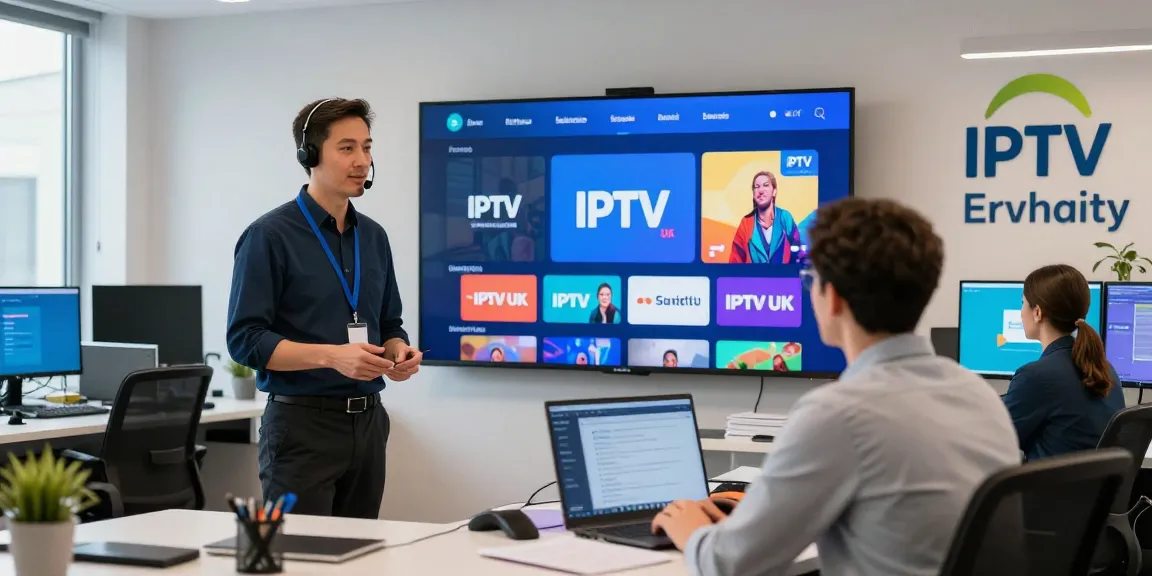


Understanding Remote IT Support for Small Businesses
In today’s digital landscape, small businesses face numerous challenges when it comes to technology management. With the need for efficient operations and optimal productivity, many companies are turning to remote IT support for small business solutions. These services not only simplify technical issues but also enhance overall business efficiency, allowing owners to focus on growth rather than handling IT problems. In this article, we will explore the ins and outs of remote IT support and how it can benefit small enterprises.
What is Remote IT Support?
Remote IT support encompasses a range of services provided by an external IT company that resolves technical issues without the need for on-site intervention. By utilizing remote access tools, IT professionals can diagnose and fix problems from anywhere, ensuring that businesses experience minimal downtime. This approach is particularly beneficial for small businesses that may lack the resources to maintain a full-time IT department.
Key Benefits for Small Businesses
- Cost Efficiency: Remote IT support reduces the need for on-site IT staff, ultimately saving money on salaries and training.
- 24/7 Availability: Many remote IT support providers offer round-the-clock service, ensuring technical issues can be addressed at any time.
- Quick Response Times: Problems can be identified and resolved faster, minimizing disruptions to business operations.
- Access to Expertise: Small businesses benefit from the knowledge and experience of IT specialists who understand current technologies and best practices.
How Remote IT Support Works
Remote IT support utilizes various tools that enable technicians to access clients’ systems securely. This process typically involves:
- Remote Access Software: Technicians use software that allows them to connect to and control a client’s computer remotely.
- Monitoring Tools: Continuous monitoring helps preemptively identify issues before they can affect operations.
- Ticketing Systems: Clients report problems through a ticketing system, which helps track issues and resolutions efficiently.
Choosing the Right Remote IT Support Provider
Selecting a suitable remote IT support provider is critical to ensuring your business’s success. Here are key points to consider:
Essential Features to Look For
- Comprehensive Services: Ensure the provider offers a full range of services, from help desk support to advanced security measures.
- Scalability: The provider should accommodate your business growth, adjusting services as needed.
- Transparent Pricing: Look for a transparent pricing model that avoids hidden fees and unexpected costs.
- Strong Communication: Effective communication is crucial; confirm the provider has a strong track record of keeping clients informed.
Comparing Costs: Managed vs. On-Demand Support
One of the first considerations is the cost of remote IT support. Businesses can choose between managed support, where services are provided on a regular basis for a fixed fee, and on-demand support, which is billed based on the services rendered. Managed support is often more cost-effective for small businesses, as it provides predictable budgeting and consistent service levels.
Evaluating Providers: Questions to Ask
When evaluating potential providers, consider asking the following questions:
- What specific services do you offer?
- How quickly can you respond to issues, especially critical ones?
- Can you provide references or case studies from similar businesses?
- What measures do you have in place for data security and compliance?
Common Challenges in Remote IT Support
While remote IT support provides many advantages, there are challenges to be aware of, including:
Technical Issues and Solutions
Remote support can be hindered by connectivity issues or inadequate software. Providers must maintain robust systems to ensure reliable service. Regular updates and upgrades are essential in preventing these technical problems.
Managing Customer Expectations
Clients may sometimes expect immediate solutions to complex issues. Clear communication about response times and the nature of IT support can help manage these expectations effectively.
Data Security Concerns
One of the primary worries surrounding remote IT support is the potential risk to sensitive data. It is vital that providers implement strong security measures, including encryption and compliance with regulations, to safeguard client information.
Best Practices for Implementing Remote IT Support
To maximize the effectiveness of remote IT support, businesses should adopt the following best practices:
Establishing Clear Communication Channels
Set up defined communication protocols between your team and the IT support provider. This setup should include a designated point of contact and clear escalation paths for urgent issues.
Regular Monitoring and Maintenance Strategies
Proactive monitoring and regular maintenance should be part of the IT support package. This strategy minimizes downtime and potential disruptions, keeping your business running smoothly.
Training Employees on IT Protocols
Ensure that all employees are familiar with IT protocols and the process for reporting issues. Training sessions can empower staff to address minor problems independently, reserving the support team’s resources for more complex challenges.
The Future of Remote IT Support for Small Businesses
As technology evolves, so too does the landscape of remote IT support. Here are some trends and advancements to watch for:
Emerging Trends in IT Support Services for 2026
Expect to see increased automation and AI-driven support services, allowing for even quicker problem resolution and enhanced user experiences. AI tools can streamline troubleshooting processes and predict potential issues before they arise.
Technological Advancements in Remote Support
Advancements in remote access technologies will continue to improve support efficiency. Expect developments in virtual reality (VR) and augmented reality (AR) to enhance remote troubleshooting capabilities.
Preparing for Future IT Challenges
Small businesses should prepare for shifts in technology and emerging cybersecurity threats by staying informed about trends and ensuring their IT support is adaptable to changing needs.
FAQs about Remote IT Support
What types of businesses can benefit from remote IT support?
Businesses of all sizes can benefit, especially small to mid-sized enterprises that may not have the resources for a dedicated in-house IT department.
How can remote IT support save costs for small businesses?
By reducing the need for on-site staff, minimizing downtime, and offering predictable pricing models, remote IT support can significantly lower operational costs.
What to do if remote IT support doesn’t resolve an issue?
If remote support is unable to resolve an issue, ensure that your provider has protocols in place for escalating to on-site assistance when necessary.
How to ensure data security with remote IT support?
Choose providers that adhere to best practices in security, including data encryption, regular security audits, and compliance with industry regulations.
Are there 24/7 remote IT support options available?
Yes, many providers offer 24/7 remote support, making it easier for businesses to address issues at any time, regardless of their operational hours.